



Services
Hydraulic Seals
for Services!
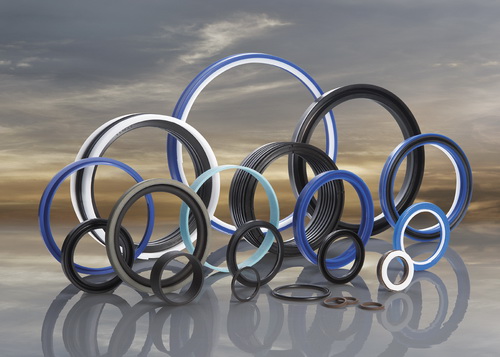
Piston Seal
Rod Seal
Wiper Seal
Guide Ring
Hydraulic Piston Seal
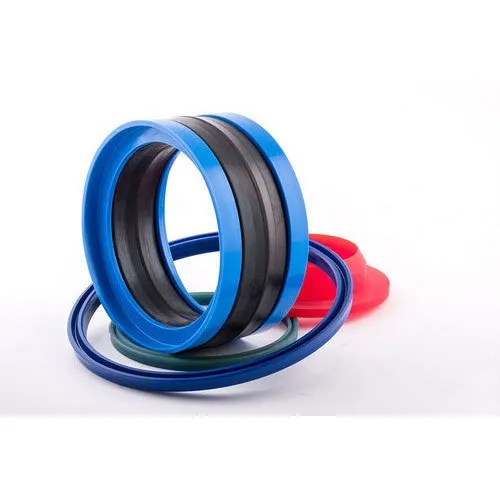
1. Double acting compact seal – ASP 01
Material :
NBR profile ring, thermoplastic elastomer support rings, and glass-reinforced POM guide rings
Temperature Range:
-30°C to +100°C
Pressure Resistance:
Up to 400 bar
Maximum Sliding Speed:
0.5 M/S
Applications :-
Hydraulic Cylinders
Widely used in double-acting hydraulic cylinders, particularly in applications where the piston operates under both forward and return pressure.
Heavy Machinery
Common in applications like excavators, loaders, and agricultural equipment.
Mobile Equipment
Suitable for sealing in heavy-duty mobile equipment where high pressures and dynamic movement are common.
Industrial Hydraulics
Suitable for a variety of industrial hydraulic systems, such as presses and lifts.
2. Double Acting GLYD Ring – ASP 02
Material:
PTFE sealing ring and energizer elastomer oring.
Temperature Range:
-30°C to +100°C , with options for higher temperatures.
Pressure Resistance:
Up to 400 bar
Maximum Sliding Speed:
10 M/S
Applications :-
Applications Hydraulic Cylinders
Most commonly used in double-acting piston seals within hydraulic cylinders where high-pressure fluid seals are required on both sides of the piston.
Construction Machinery
Widely used in heavy-duty equipment like excavators, cranes, loaders, and other hydraulic machinery.
Mobile Equipment
Found in hydraulic systems in trucks, agricultural machines, and other mobile equipment.
Industrial Hydraulics
Used in presses, lifts, and other industrial hydraulic systems requiring reliable sealing under high pressures.
Off-Highway Equipment
Suitable for equipment in the mining, forestry, and agriculture industries, where high performance under harsh conditions is critical.
3. Compact double-acting piston seal – ASP 03
Material Options :
elastomer energizer, a PTFE ring and two thermoplastic back-up rings.
Temperature Range:
-30°C to +100°C
Pressure Resistance:
400 bar
Maximum Sliding Speed:
1.5 M/S
Applications :-
Hydraulic Cylinders
Used primarily as a piston seal in double-acting hydraulic cylinders, where the seal must withstand pressure on both sides of the piston.
Construction Equipment
Commonly used in heavy-duty hydraulic systems in construction equipment such as excavators, cranes, bulldozers, and loaders.
Mobile Equipment:
Ideal for use in mobile hydraulic systems in vehicles like trucks, agricultural equipment, and lifting systems that experience high-pressure and dynamic conditions.
Industrial Hydraulic Systems
Applied in presses, lifts, and various industrial machinery requiring reliable sealing performance in high-pressure systems.
Off-Highway Equipment
Suitable for use in mining, agricultural, and other off-highway equipment where rugged, reliable sealing is necessary.
4. Single acting U Seal – ASP 04
Material:
NBR, FKM, or PU (Polyurethane) for wear resistance and compatibility with various hydraulic fluids.
Temperature Range:
-30°C to +100°C , with options for higher temperatures depending on material choice.
Pressure Resistance:
Up to 400 bar
Maximum Sliding Speed:
0.5 M/S
Applications :-
Hydraulic Cylinders
Widely used in double-acting hydraulic cylinders, where both sides of the piston are exposed to pressurized fluid. The seal prevents leakage in dynamic applications.
Heavy Equipment
Suitable for use in construction machinery, including excavators, cranes, and loaders, where high-pressure and dynamic sealing are critical.
Mobile Equipment
Often found in mobile hydraulic systems such as trucks, agricultural equipment, and lifting systems.
Industrial Hydraulic Systems
Used in industrial applications, including presses, lifts, and machines that require efficient sealing for pressurized fluid.
Off-Highway Equipment
Ideal for mining, agricultural, and other off-highway applications where high performance under harsh conditions is needed.
Hydraulic Rod Seal
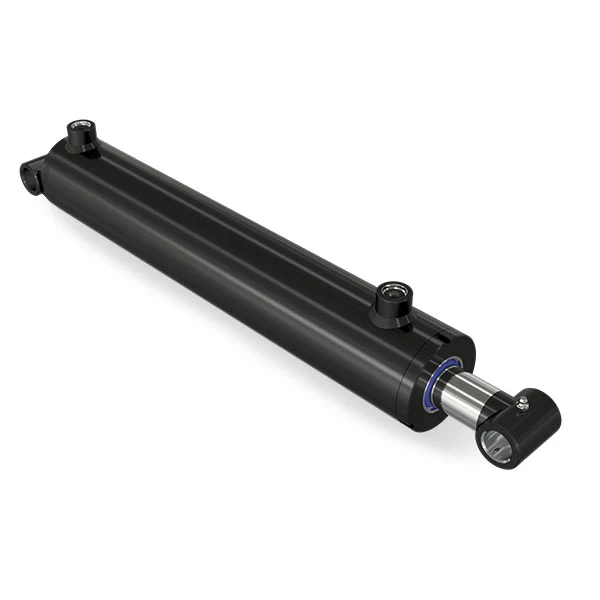
1. Single acting step seal – ASR 01
Material Options:
PTFE sealing ring and energizer elastomer oring
Temperature Range:
-30°C to +100°C , with options for higher temperatures.
Pressure Resistance:
Up to 400 bar
Maximum Sliding Speed:
10 M/S
Applications :-
Hydraulic Cylinders
Rod seal is primarily used in hydraulic cylinders where it seals the rod in both dynamic and static conditions.
Industrial Equipment
Applied in industrial hydraulic systems such as presses, lifts, and machines requiring reliable sealing for hydraulic fluid containment.
Mobile Equipment
It is widely used in mobile hydraulic systems in vehicles like trucks, agricultural machinery, construction equipment, and lifting systems.
Off-Highway Equipment
Suitable for off-highway vehicles and machinery such as mining equipment, where durability and effective sealing in demanding conditions are essential.
2. Single acting U seal – ASR 02
Material Options:
NBR, FKM, or PU (Polyurethane) for various hydraulic fluid compatibility and temperature requirements.
Temperature Range:
-30°C to +100°C , with higher temperature options for FKM.
Pressure Resistance:
Up to 300 bar
Maximum Sliding Speed:
1.0 M/S
Applications :-
Hydraulic Cylinders
PU Rod Seal used in hydraulic piston sealing applications for systems where the piston moves within the cylinder. It prevents fluid leakage during piston extension and retraction.
Industrial Equipment
It is ideal for use in a variety of industrial hydraulic systems, such as presses, lifts, and actuators.
Mobile Equipment
Frequently used in mobile hydraulic systems, including construction equipment (e.g., cranes, excavators), agricultural machinery, and lifting systems.
Off-Highway Equipment
Ideal for off-highway machinery, where the seal must withstand harsh operating conditions, including high-pressure and high-dynamic loads.
3. Single acting chevron packing ASR 03
Material Options :
NBR, FKM, or PU (Polyurethane) for different fluid compatibility and temperature requirements.
Temperature Range:
30°C to +100°C , with higher temperature options for FKM material.
Pressure Resistance:
Up to 350 bar
Maximum Sliding Speed:
0.5 M/S
Applications :-
Hydraulic Cylinders
Chevron Seal used in hydraulic cylinders, particularly in piston sealing applications where high-pressure containment is critical.
Industrial Equipment
The chevron packing is suitable for a wide range of industrial hydraulic systems, including presses, material handling equipment, and actuators.
Mobile Equipment:
It is commonly used in mobile hydraulic systems, such as cranes, excavators, loaders, and other heavy equipment.
Off-Highway Equipment
Perfect for use in off-highway machinery, such as mining and construction vehicles, where reliable sealing in demanding conditions is necessary
Hydraulic Wiper Seal
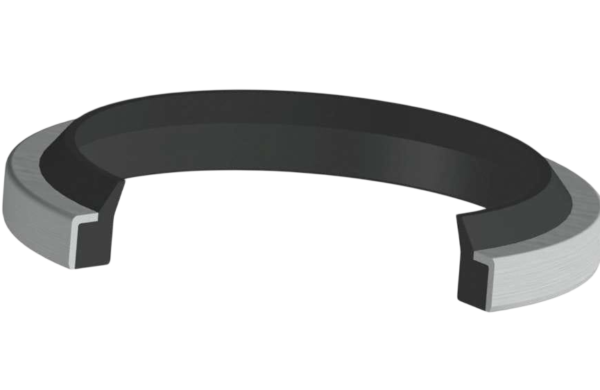
1. Wiper ASW 01
Material Options :
NBR, PU, FKM, or HNBR depending on application requirements.
Temperature Range:
-30°C to +100°C , with higher temperature options for FKM and HNBR materials.
Pressure Resistance:
Handles up to 350 bar (5075 psi), with performance at higher transient pressures.
Maximum Sliding Speed:
1.0 M/S
Applications :-
Hydraulic Cylinders
This Profile commonly used as a wiper seal in hydraulic cylinders for rod-side sealing applications, where it prevents contaminants from entering the cylinder and damaging the internal seals.
Mobile Equipment
It is widely used in mobile hydraulic systems, such as construction equipment (e.g., cranes, excavators), agricultural machinery, and loaders.
Off-Highway Equipment
Ideal for use in off-highway machinery like mining, forestry, and agricultural equipment where the equipment operates in harsh environments.
Industrial Machinery
This profile suitable for industrial hydraulic systems where sealing from contaminants is crucial for preventing system failure or seal degradation.
2. Wiper ASW 02
Material Options:
NBR, PU, FKM, or HNBR for a variety of operating conditions.
Temperature Range:
-30°C to +100°C , with higher temperature options for FKM and HNBR materials.
Pressure Resistance:
Handles typical hydraulic and pneumatic system pressures up to 250 bar
Maximum Sliding Speed:
10.0 M/S
Applications :-
Hydraulic Cylinders
Wiper Seal is widely used in hydraulic cylinders to keep the internal sealing areas clean from contaminants that could damage the system’s performance.
Pneumatic Cylinders
Also applicable in pneumatic cylinders, AW38 serves the same function by preventing contaminants from entering the sealing area.
Mobile Equipment
It is often used in mobile hydraulic systems such as construction equipment, agricultural machinery, excavators, and loaders, where cylinders are frequently exposed to harsh environments.
Off-Highway Equipment
AW38 is ideal for use in off-highway machinery like mining, forestry, and agricultural machinery, where the seal needs to endure exposure to dust, dirt, and other contaminants.
Industrial Applications
Suitable for use in industrial hydraulic systems, where protecting the cylinder from dirt and debris is critical for the proper function of the system.
3. Wiper Seal ASW 03
Material Options :
NBR, PU, FKM, or HNBR for different environmental conditions and fluid compatibility.
Temperature Range:
-30°C to +100°C (-22°F to +212°F), with higher temperature options for FKM and HNBR.
Pressure Resistance:
Can withstand typical hydraulic and pneumatic pressures up to 250 bar
Maximum Sliding Speed:
1.0 M/S
Applications :-
Hydraulic cylinders, pneumatic cylinders, mobile equipment, off-highway machinery, and industrial systems.
Hydraulic Cylinders
The Wiper Seal is used in hydraulic cylinders to prevent contaminants such as dirt, dust, and moisture from entering the cylinder and damaging the internal seals.
Pneumatic Cylinders
It is also applicable in pneumatic cylinders, providing similar protection against external contamination.
Construction and Agricultural Machinery
Commonly used in mobile equipment like excavators, loaders, and tractors, where seals are exposed to dirt, dust, and other debris in demanding environments.
Off-Highway Equipment
The is ideal for use in off-highway machinery in industries such as mining, forestry, and agriculture, where the equipment is exposed to harsh conditions.
Industrial Hydraulic Systems
The can also be used in industrial hydraulic systems to protect sensitive seals from external contaminants.
4. Wiper ASW 04
Material Options:
NBR, PU, FKM, or HNBR to meet various operating conditions.
Temperature Range:
-30°C to +100°C , with higher temperature options for FKM and HNBR.
Pressure Resistance:
Suitable for typical hydraulic and pneumatic system pressures, typically up to 250 bar
Maximum Sliding Speed:
1.0 M/S
Applications :-
Hydraulic Cylinders
The Hallite 839 is commonly used in hydraulic cylinders to protect the internal sealing system from contaminants like dirt, dust, and moisture.
Pneumatic Cylinders
It is also used in pneumatic cylinders, offering similar protection to ensure the internal seals are not exposed to damaging debris.
Construction and Agricultural Machinery
The Hallite 839 is ideal for use in mobile equipment such as excavators, loaders, tractors, and other construction or agricultural machinery exposed to harsh environmental conditions.
Off-Highway Equipment
The Hallite 839 is particularly well-suited for off-highway machinery in industries such as mining, forestry, and agriculture, where exposure to dirt, mud, and debris is common.
Industrial Hydraulic Systems
Suitable for industrial hydraulic systems where rod-side wipers are needed to maintain cleanliness and protect internal seals.
5. Wiper ASW05
Material Options :
NBR, PU, FKM, or HNBR, depending on environmental conditions and fluid compatibility.
Temperature Range:
-30°C to +100°C for NBR, with higher temperature options available for FKM and HNBR.
Pressure Resistance:
Suitable for pressures up to 250 bar, though primarily focused on preventing contaminants.
Maximum Sliding Speed:
1.0 M/S
Applications :-
Hydraulic Cylinders
The wiper is commonly used in hydraulic cylinders to prevent contamination from entering the cylinder and damaging internal seals.
Pneumatic Cylinders
It is also suitable for pneumatic cylinders where preventing the ingress of contaminants is crucial to system performance.
Mobile Equipment
wiper is ideal for use in construction equipment, agricultural machinery, and other mobile hydraulic systems, where rod wipers play a key role in keeping contaminants out.
Off-Highway Equipment
Often used in off-highway machinery such as excavators, tractors, and loaders, the wiper protects systems that operate in harsh, dirty, and dusty environments.
Industrial Applications
Also used in industrial hydraulic systems, where contamination control is critical to ensure the longevity and reliability of the equipment.
6. Wiper ASW 06
Material Options:
NBR, PU, FKM, or HNBR, depending on application requirements such as temperature and fluid compatibility.
Temperature Range:
Typically -30°C to +100°C for NBR, with higher temperature options available.
Pressure Resistance:
Suitable for moderate to slightly heavy-duty applications, with pressure ratings typically up to 250 bar
Applications :-
Hydraulic Cylinders
The Wiper Seal is used in hydraulic cylinders to ensure that the rod remains free from contaminants, helping maintain the integrity of the internal sealing system.
Pneumatic Cylinders
It is also suitable for use in pneumatic cylinders, where debris can cause issues similar to hydraulic systems, and rod protection is essential.
Mobile Equipment
wiper is ideal for use in mobile hydraulic systems, such as excavators, loaders, tractors, and other heavy machinery used in construction, agriculture, and mining industries.
Industrial Equipment
Wiper can be used in industrial applications where contamination control is vital for system performance and longevity.
Off-Highway Vehicles
Suitable for off-highway machinery, the wiper helps prevent rod contamination in environments with high exposure to dust, dirt, and moisture.
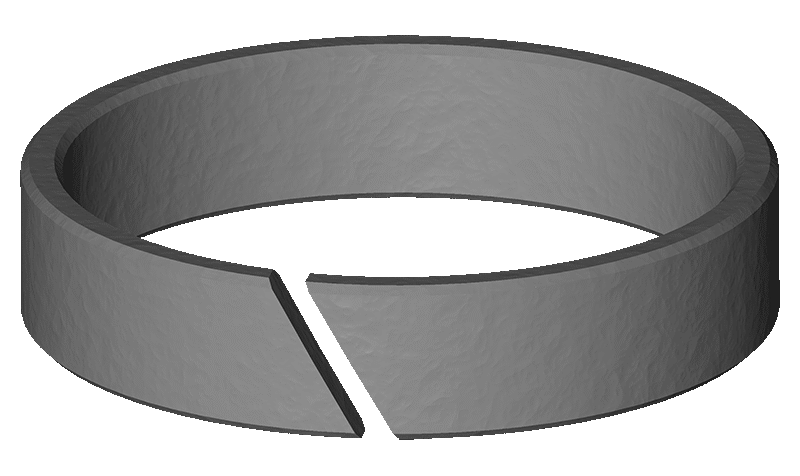
Hydraulic Guide Ring
A guide ring (also called a wear ring or bearing ring) is a crucial component in hydraulic cylinders, pneumatic cylinders, or linear actuators. Its main role is to guide the piston rod and absorb side loads, preventing metal-to-metal contact between moving parts.
Key Properties of a Guide Ring
1. High Wear Resistance:
Must endure sliding contact over long service life.
2. Dimensional Stability:
Maintains shape and size under high pressure and temperature.
3. Low Friction Coefficient:
Reduces energy loss and heat generation.
4. Non-Metallic (Typically):
Prevents galling or scoring of cylinder walls.
5. Load-Bearing Capacity:
Supports side loads without deforming or cracking.
6. Thermal Resistance:
Should operate reliably within a wide temperature range.
7. Chemical Compatibility:
Resistant to oils, hydraulic fluids, and process chemicals.
Common Material Properties for Guide Rings
| Material | Temp Range (°C) | Friction | Chemical Resistance | Key Features |
| Phenolic Resin with Fabric | -40 to +120 | Low | Good | High strength, used in heavy-duty applications |
| PTFE (Teflon) | -200 to +260 | Very Low | Excellent | Excellent low-friction and chemical resistance |
| PTFE + Bronze/Glass Fill | -200 to +250 | Low | Excellent | Enhanced wear strength and thermal resistance |
| Polyacetal (POM/Delrin) | -40 to +100 | Medium | Good | Economical, low moisture absorption |
| Polyester Resin (e.g., Lubring) | -40 to +120 | Low | Moderate | Good dimensional stability |
| Nylon (PA6/PA66) | -40 to +100 | Medium | Moderate | Good wear resistance, but absorbs moisture |
| Polyetheretherketone (PEEK) | -60 to +250 | Low | Excellent | High-end, excellent in extreme environments |
Key Properties of a Guide Ring
1. Prevents Metal-to-Metal Contact:
Protects cylinder bore and piston rod from wear and scoring.
2. Improves Component Life:
Reduces wear on sealing components by stabilizing movement.
3. Supports Side Loads:
Takes up transverse forces that would otherwise stress seals.
4. Enhances System Efficiency:
Minimizes friction and ensures smoother motion.
5. Reduces Vibration and Noise:
Especially in high-speed or high-pressure systems.
6. Customizable:
Available in split or solid form, and in various thicknesses/widths to suit specific cylinders.
7. Wide Material Selection:
Can be tailored for chemical compatibility, pressure, speed, and temperature requirements.
1. Phenolic resin with fabric:
Phenolic resin with fabric laminate (commonly cotton fabric + phenolic resin) is a composite material used in heavy-duty guide ring/wear ring applications. The cotton fabric reinforcement provides high mechanical strength, dimensional stability, and load capacity, while the phenolic resin matrix ensures good wear and low friction properties. These rings are widely used in hydraulics and industrial machinery where metal-to-metal contact must be avoided under high loads.
Advantages of Guide Rings :
• High Load Capacity:
Much stronger in compression than thermoplastics (Nylon, POM, PTFE).
• Excellent Wear Resistance:
Durable in reciprocating and oscillating motion.
• Dimensional Stability:
Resists deformation under pressure.
• Prevents Metal-to-Metal Contact:
Protects rods, pistons, and cylinder bores.
• Good Oil Compatibility:
Works well in lubricated hydraulic systems.
• Cost-Effective:
Cheaper than PEEK, comparable to Nylon/POM for many heavy-duty uses.
• No Cold Flow (Creep):
Unlike PTFE, maintains shape under continuous load.
Disadvantages of Guide Rings :
Lower Temperature Resistance than PEEK or PTFE (limited to ~120–140°C).
Brittle Compared to Thermoplastics → can chip if mishandled.
Not Suitable for Dry-Running at High Speeds → requires some lubrication for best performance.
Moderate Chemical Resistance → not suitable for aggressive acids/alkalis.
Higher Water Absorption than PTFE/POM → but much lower than Nylon.
When to Choose Guide Rings: :
Heavy-duty hydraulic cylinders with high radial load capacity.
Applications where metal contact must be avoided but thermoplastics are too weak.
Medium temperature systems (~100–120°C) with oils/fluids.
Cost-sensitive heavy machinery requiring durability and long service life.
| Property | Description |
| Material Type | Thermoset composite (Phenolic resin + fabric reinforcement) |
| Operating Temperature | –40°C to +120°C (short-term up to 140°C) |
| Hardness | ~100–110 Rockwell |
| Density | ~1.35–1.45 g/cm³ |
| Tensile Strength | ~80–120 MPa |
| Compressive Strength | ~250–350 MPa (very high) |
| Friction Coefficient | ~0.2–0.25 (dry), lower when lubricated |
| Water Absorption | Low–Moderate (~0.2–0.5%) |
| Chemical Resistance | Good against oils, greases, fuels; limited against strong acids/alkalis |
| Machinability | Easily turned/milled into rings and strips |
| Color | Brown (typical), can be darkened depending on grade |
Applications of Phenolic Fabric Guide Rings
| Industry | Application |
| Hydraulics | Piston and rod guide rings in medium- and heavy-duty hydraulic cylinders |
| Construction | Excavators, loaders, cranes |
| Machinery | guide rings in high-load cylinders |
| Agricultural Equipment | Hydraulic systems in tractors, harvesters, sprayers |
| Presses & Industrial Machinery | Wear strips, sliding and guiding elements |
| Marine Equipment | Hydraulic rams, steering systems, deck machinery |
| Steel & Mining Equipment | High-load hydraulic presses, cylinders for heavy-duty cycles |
Comparison: Phenolic Fabric vs. PTFE vs. PEEK vs. Nylon vs. POM
| Property | Phenolic Fabric | PTFE | PEEK | Nylon (PA6/66) | POM / Delrin |
| Friction Coefficient | Low–Moderate (~0.2) | Extremely Low (~0.04–0.1) | Very Low (~0.1–0.15) | Moderate (~0.2–0.3) | Moderate (~0.2) |
| Max Temp (°C) | ~120 (140 short-term) | ~260 | ~250 (300 short-term) | ~100–120 | ~100–120 |
| Load Capacity | Very High | Low (higher with fillers) | Very High | Medium–High | Medium–High |
| Wear Resistance | Excellent | Moderate (needs fillers) | Excellent | Good | Good |
| Water Absorption | Low–Moderate (~0.5%) | None (~0%) | Very Low (<0.1%) | High (1–2%) | Very Low (~0.2%) |
| Chemical Resistance | Good (oils/fuels) | Excellent | Excellent | Good | Good |
| Machinability | Good | Good (soft) | Good (tough) | Good | Excellent |
| Cost | Low–Moderate | Moderate–High | Very High | Low | Low–Moderate |
2. PTFE (Teflon) Guide Ring:
PTFE (Polytetrafluoroethylene), commonly known as Teflon, is a fluoropolymer with exceptionally low friction, excellent chemical resistance, and a wide operating temperature range. It is widely used in guide ring/wear ring applications, often filled with glass, carbon, or bronze to improve load-bearing and wear resistance.
Advantages of PTFE Guide Rings :
• Ultra-Low Friction:
best sliding material, ideal for minimizing wear.
• Excellent Temperature Resistance:
Usable from cryogenic (–200°C) up to +260°C.
• Outstanding Chemical Resistance:
Inert to almost all chemicals.
• Non-Stick Surface:
Prevents material buildup and reduces wear.
• No Water Absorption:
Stable dimensions even in wet conditions.
• FDA-Compliant Grades Available:
Suitable for food, pharma, and medical use.
• Self-Lubricating:
No external lubrication required in most cases.
Disadvantages of PTFE Guide Rings :
Low Mechanical Strength → lower load capacity compared to PEEK, Nylon, or POM.
Cold Flow (Creep) → deforms under continuous load unless reinforced with fillers.
Softness → can be damaged more easily under edge loading.
Higher Cost than Nylon/POM (but lower than PEEK).
Not Suitable for Heavy Shock Loads without fillers.
When to Choose PTFE Guide Rings :
Applications requiring lowest possible friction.
Wide temperature range (cryogenic to high heat).
Chemical processing, food, or medical environments where inertness is critical.
Dry-running systems where lubrication is not possible.
Situations where dimensional stability and zero water absorption are required.
| Property | Description |
| Material Type | High-performance fluoropolymer (PTFE / Teflon) |
| Operating Temperature | –200°C to +260°C (continuous) |
| Hardness | ~55–65 Shore D (softer than PEEK/POM/Nylon) |
| Density | ~2.1–2.3 g/cm³ |
| Tensile Strength | ~20–35 MPa (higher with fillers) |
| Compressive Strength | ~25–40 MPa (higher with fillers) |
| Friction Coefficient | Extremely Low (~0.04–0.1) → best among polymers |
| Water Absorption | Negligible (~0%) |
| Chemical Resistance | Excellent – resistant to nearly all chemicals, solvents, fuels, and acids |
| Machinability | Good, but soft and requires care |
| Color | Brown (typical), can be darkened depending on grade |
Applications of PTFE Guide Rings
| Industry | Application |
| Hydraulics | Rod and piston guide rings in high-speed/low-friction cylinders |
| Pneumatics | Guide rings in dry-running or oil-free compressed air systems |
| Aerospace | Low-friction wear rings and seals in actuators and landing gear |
| Oil & Gas | Guide/support rings in valves, pumps, and chemical exposure environments |
| Medical & Pharma | Guide rings for surgical devices and pharma equipment (FDA grades) |
| Food Industry | Sliding components in hygienic machinery |
| Marine & Chemical Processing | Excellent choice for saltwater and aggressive fluids |
Comparison: PTFE vs. PEEK vs. Nylon vs. POM (Delrin)
| Property | PTFE | PEEK | Nylon (PA6/66) | POM / Delrin |
| Friction Coefficient | Extremely Low (~0.04–0.1) | Very Low (~0.1–0.15) | Moderate (~0.2–0.3) | Moderate (~0.2) |
| Max Temp (°C) | ~260 | ~250 (300 short-term) | ~100–120 | ~100–120 |
| Load Capacity | Low (higher with fillers) | Very High | Medium–High | Medium–High |
| Wear Resistance | Moderate (improves with fillers) | Excellent | Good | Good |
| Water Absorption | None (~0%) | Very Low (<0.1%) | High (1–2%) | Very Low (~0.2%) |
| Chemical Resistance | Excellent | Excellent | Good | Good |
| Machinability | Good (soft) | Good (tougher) | Good | Excellent |
| Cost | Moderate–High | Very High | Low | Low–Moderate |
3. BFT ( PTFE + 40% Bronze ) Guide Ring
Bronze-filled PTFE (40% bronze + 60% PTFE) is one of the most common high-performance composites used for guide rings/wear rings. Adding bronze significantly improves compressive strength, wear resistance, and thermal conductivity while retaining PTFE’s low friction and chemical resistance. This makes it a top choice for high-load hydraulic and pneumatic guide applications.
Advantages of BFT (40% Bronze PTFE) Guide Rings :
• High Load Capacity:
much stronger than virgin PTFE, withstands high radial forces.
• Excellent Wear Resistance:
bronze filler reduces wear under oscillating/reciprocating loads.
• Very Low Friction:
retains PTFE’s excellent sliding properties.
• High Thermal Conductivity:
dissipates heat better than pure PTFE.
• Wide Temperature Range:
usable from cryogenic up to +260°C.
• Dimensional Stability:
reduced creep and cold flow compared to virgin PTFE.
• Chemical Resistance:
excellent in oils, fuels, solvents, most chemicals.
Disadvantages of BFT (40% Bronze PTFE) Guide Rings :
Higher Density → heavier than most polymeric guide materials.
Reduced Corrosion Resistance → less resistant to strong acids and alkalis than virgin PTFE.
Higher Cost than Nylon, POM, or Phenolic Fabric.
Slightly Higher Friction than virgin PTFE (but still very low).
Environments with oils, fuels, and solvents (but not strong acids/alkalis).
Environments with oils, fuels, and solvents (but not strong acids/alkalis).
When to Choose BFT (40% Bronze PTFE) Guide Rings :
Applications requiring low friction + high load capacity.
Systems operating across wide temperature ranges.
High-speed, heavy-duty hydraulic or pneumatic cylinders.
Situations where reduced creep is critical (vs. virgin PTFE).
Environments with oils, fuels, and solvents (but not strong acids/alkalis).
| Property | Description |
| Material Type | PTFE (60%) with 40% bronze filler |
| Operating Temperature | –200°C to +260°C (continuous) |
| Hardness | ~65–70 Shore D |
| Density | ~3.8–4.0 g/cm³ |
| Tensile Strength | ~90–120 MPa (higher than virgin PTFE) |
| Compressive Strength | ~140–200 MPa |
| Friction Coefficient | Very Low (~0.08–0.15) |
| Water Absorption | Negligible (~0%) |
| Chemical Resistance | Excellent, but slightly reduced vs. virgin PTFE (bronze limits resistance to strong acids/alkalis) |
| Machinability | Good; easily turned/machined |
| Color | Dark brown to gold (metallic appearance) |
Applications of BFT (40% Bronze PTFE) Guide Rings
| Industry | Application |
| Hydraulics | Rod and piston guide rings in high-pressure, heavy-duty cylinders |
| Pneumatics | Wear rings in cylinders requiring durability + low friction |
| Aerospace | High-load actuator guide rings |
| Marine & Offshore | Guide/support rings in saltwater and corrosive fluids |
| Oil & Gas | Valves, pumps, and actuators under high load and chemical exposure |
| Industrial Machinery | High-speed, high-load sliding and guiding elements |
Comparison: Bronze-Filled PTFE vs. Virgin PTFE vs. Phenolic Fabric vs. PEEK
| Property | BFT (40% Bronze PTFE) | Virgin PTFE | Phenolic Fabric | PEEK |
| Friction Coefficient | Very Low (~0.08–0.15) | Extremely Low (~0.04–0.1) | Low–Moderate (~0.2) | Very Low (~0.1–0.15) |
| Max Temp (°C) | ~260 | ~260 | ~120 (140 short-term) | ~250 (300 short-term) |
| Load Capacity | High | Low | Very High | Very High |
| Wear Resistance | Excellent | Moderate | Excellent | Excellent |
| Water Absorption | None (~0%) | None (~0%) | Low–Moderate (~0.5%) | Very Low (<0.1%) |
| Chemical Resistance | Excellent (except strong acids/alkalis) | Excellent (universal) | Good (oils/fuels only) | Excellent |
| Machinability | Good | Good (soft) | Good | Good |
| Cost | High | Moderate–High | Low–Moderate | Very High |
4. GFT ( PTFE + Glass Fiber ) Guide Ring
Glass fiber–filled PTFE (typically 15–25% glass fiber) is one of the most widely used PTFE composites for guide rings. Adding glass fibers significantly improves compressive strength, wear resistance, and creep resistance, while maintaining PTFE’s low friction and chemical inertness. Unlike bronze-filled PTFE, glass-filled PTFE retains better corrosion resistance, making it suitable for chemical and water-based environments.
Advantages of GFT (Glass Fiber PTFE) Guide Rings :
• Improved Wear Resistance:
much better than virgin PTFE under reciprocating and oscillating motion.
• Reduced Cold Flow:
greatly enhanced dimensional stability under load.
• High Load Capacity:
stronger in compression compared to virgin PTFE.
• Low Friction:
maintains PTFE’s excellent sliding behavior.
• Corrosion Resistance:
better chemical compatibility than bronze-filled PTFE.
• Wide Temperature Range:
suitable from cryogenic to +260°C.
• Good Cost-to-Performance Ratio:
cheaper than PEEK, better load performance than virgin PTFE.
Disadvantages of GFT (Glass Fiber PTFE) Guide Rings :
Abrasive → glass fibers can cause counter-surface wear if surface finish is poor.
Slightly Higher Friction than virgin PTFE (though still very low).
Lower Thermal Conductivity than bronze-filled PTFE → heat dissipation is not as good.
Chemical Limitations → not recommended for strong alkalis and hydrofluoric acid.
When to Choose GFT (Glass Fiber PTFE) Guide Rings :
When reduced creep and deformation are critical under sustained loads.
Applications where wear life is more important than the absolute lowest friction.
Environments where corrosion resistance is needed (better than bronze-filled PTFE).
Medium to high-load hydraulic/pneumatic guide applications with long duty cycles.
| Property | Description |
| Material Type | PTFE with 15–25% glass fiber filler |
| Operating Temperature | –200°C to +260°C (continuous) |
| Hardness | ~60–65 Shore D |
| Density | ~2.3–2.5 g/cm³ |
| Tensile Strength | ~20–30 MPa (higher than virgin PTFE) |
| Compressive Strength | ~150–200 MPa |
| Friction Coefficient | Very Low (~0.08–0.15) |
| Water Absorption | Negligible (~0%) |
| Chemical Resistance | Excellent, but glass reduces resistance to strong alkalis and HF acid |
| Machinability | Good; glass fibers can be abrasive on tools |
| Color | Off-white / light gray (may vary with grade) |
Applications of GFT (Glass Fiber PTFE) Guide Rings
| Industry | Application |
| Hydraulics | Guide rings in high-pressure cylinders with moderate to high loads |
| Pneumatics | Wear rings in medium-duty actuators |
| Chemical Processing | Suitable for aggressive media where bronze-filled PTFE may corrode |
| Aerospace | Low-friction guide elements with improved creep resistance |
| Marine & Offshore | Excellent in saltwater and brine exposure |
| Industrial Machinery | Long-life wear rings for oscillating/reciprocating systems |
Comparison: Glass-Filled PTFE vs. Bronze-Filled PTFE vs. Virgin PTFE vs. PEEK
| Property | GFT (Glass PTFE) | BFT (40% Bronze PTFE) | Virgin PTFE | PEEK |
| Friction Coefficient | Very Low (~0.08–0.15) | Very Low (~0.08–0.15) | Extremely Low (~0.04–0.1) | Very Low (~0.1–0.15) |
| Max Temp (°C) | ~260 | ~260 | ~260 | ~250 (300 short-term) |
| Load Capacity | High | High | Low | Very High |
| Wear Resistance | Very Good | Excellent | Moderate | Excellent |
| Water Absorption | None (~0%) | None (~0%) | None (~0%) | Very Low (<0.1%) |
| Chemical Resistance | Excellent (except alkalis/HF) | Excellent (except strong acids/alkalis) | Excellent (universal) | Excellent |
| Thermal Conductivity | Moderate | High | Low | High |
| Machinability | Good (abrasive to tools) | Good | Good (soft) | Good |
| Cost | High | High | Moderate–High | Very High |
5. Polyacetal (POM / Delrin) Guide Ring
POM (Polyoxymethylene), also known by brand names like Delrin®, is a strong, stiff, low-friction engineering thermoplastic. It is widely used in guide ring applications for hydraulic, pneumatic, and mechanical systems.
Advantages of POM / Delrin Guide Rings :
• High Mechanical Strength and Stiffness:
Suitable for moderate to high loads in static and dynamic conditions.
• Excellent Dimensional Stability:
Maintains shape and tolerance even with moisture and heat.
• Good Wear Resistance:
Durable in sliding applications; can run dry or with lubrication.
• Very Low Water Absorption:
Ideal for humid, submerged, or moist environments.
• Easy to Machine:
Allows custom designs and tight tolerances for guide ring grooves.
• Low Cost Compared to High-Performance Plastics:
Economical for a wide range of industrial applications.
• Good Creep Resistance:
Maintains performance over time under load.
Disadvantages of POM / Delrin Guide Rings :
Lower Temperature Resistance -> Limited to ~100–120°C; unsuitable for high-heat environments.
Higher Friction vs PTFE -> May require lubrication in some high-speed applications.
Poor UV Resistance -> Tends to degrade when exposed to prolonged sunlight without additives.
Not as Chemically Inert as PTFE -> Susceptible to strong acids, oxidizers, and some chlorinated solvents.
Brittle in Cryogenic Conditions -> Can become less impact-resistant below -40°C.
When to Choose POM / Delrin Guide Rings :
Operating temperatures below 100°C
Need for low-cost, easy-to-machine, and dimensionally stable material
Applications with moderate loads and moderate friction
Mating surfaces are steel, anodized aluminum, or hardened shafts
Environment does not involve strong acids, UV light, or high heat
| Property | Description |
| Material Type | Thermoplastic (Polyacetal / Delrin®) |
| Operating Temperature | -40°C to +100°C (short-term up to 120°C) |
| Hardness | ~85 Shore D |
| Density | ~1.4 g/cm³ |
| Tensile Strength | ~65–70 MPa |
| Compressive Strength | ~90–100 MPa |
| Friction Coefficient | ~0.2 (dry) – higher than PTFE |
| Water Absorption | Low (~0.2% after 24 hrs) |
| Chemical Resistance | Good (resistant to fuels, oils, solvents) |
| Machinability | Excellent – very easy to machine and fabricate |
| Color | Usually black or white (can vary by manufacturer) |
Applications of POM / Delrin Guide Rings
| Industry | Application |
| Hydraulics | Rod and piston guide rings in light- to medium-duty cylinders |
| Pneumatics | Air cylinder guide rings and bearing strips |
| Automotive | Steering systems, seat adjusters, brake components |
| Consumer Goods | Sliding parts in appliances, tools, and gadgets |
| Industrial Machinery | Guide elements in presses, automation equipment |
| Packaging Machines | Sliding or guiding mechanisms with moderate speed |
| Food Industry | FDA-grade POM used for dry or lubricated sliding surfaces |
| Medical Devices | Moving parts in precision instruments |
Comparison: POM / Delrin vs. PTFE vs. PTFE + Bronze
| Property | POM / Delrin | Virgin PTFE | PTFE + Bronze |
| Friction Coefficient | Moderate (~0.2) | Very Low (~0.04) | Low (~0.05–0.1) |
| Max Temp (°C) | ~100–120 | ~260 | ~260 |
| Load Capacity | Medium | Low | High |
| Wear Resistance | Good | Moderate | Excellent |
| Chemical Resistance | Moderate–Good | Excellent | Moderate |
| Machinability | Excellent | Good | Good |
| Cost | Low–Moderate | Moderate | Higher |
6. Polyester Resin Guide Ring:
Polyester resin composites (often thermosetting, sometimes filled with PTFE, graphite, or fibers) are widely used in hydraulic and pneumatic systems as guide rings/wear rings. They are cost-effective, non-metallic, and help prevent scoring of piston rods and cylinder bores.
Advantages of POM / Delrin Guide Rings :
• Cost-Effective:
Lower material cost compared to PEEK or filled PTFE.
• Good Wear Resistance:
Performs well in lubricated hydraulic/pneumatic systems.
• Low Friction Surface:
Especially when filled with PTFE/graphite.
• Non-Metallic:
Prevents scoring of piston rods and cylinder bores.
• Good Dimensional Stability:
Retains shape under moderate temperature and pressure.
• Lightweight:
Easier handling and reduces moving mass in machinery.
• Customizable:
Easy to machine into guide rings, strips, or segments.
Disadvantages of Polyester Resin Guide Rings :
Limited Temperature Resistance -> Not suitable for >120°C continuous use.
Moderate Load Capacity Only -> Not ideal for heavy-duty or high-pressure systems.
Moisture Absorption -> Can cause slight dimensional swelling.
Brittleness -> Less impact-resistant than POM or PEEK.
Not Suitable for Dry-Running -> Requires lubrication for long service life.
When to Choose Polyester Resin Guide Rings :
Operating temperature below 120°C
Cost-sensitive applications
Medium-load hydraulic/pneumatic systems
When low friction and non-metallic protection are required
Systems with lubricated sliding motion
| Property | Description |
| Material Type | Thermoset polyester resin (often filled with PTFE/graphite/fibers) |
| Operating Temperature | –40°C to +120°C (short-term up to 150°C for special grades) |
| Hardness | ~85–90 Shore D |
| Density | ~1.3–1.5 g/cm³ |
| Tensile Strength | ~80–120 MPa |
| Compressive Strength | ~100–140 MPa |
| Friction Coefficient | ~0.15–0.25 (lubricated); higher in dry running |
| Water Absorption | 0.2–0.5% (higher than POM/PTFE, may cause swelling) |
| Chemical Resistance | Resistant to oils, fuels, solvents; limited against strong acids/alkalis |
| Machinability | Good; can be machined into rings, strips, and wear bands |
| Color | Typically brown, green, or black (varies by manufacturer) |
Applications of POM / Delrin Guide Rings
| Industry | Application |
| Hydraulics | Piston and rod guide rings in light- to medium-duty cylinders |
| Pneumatics | Wear bands and guide strips for air cylinders |
| Compressors | Wear rings to reduce leakage and keep rotors/impellers aligned |
| Valves | Guide rings for sealing support and stability |
| Automotive | Hydraulic steering, braking systems (cost-sensitive parts) |
| Industrial Machinery | Guide/support components in presses, automation, and light machinery |
| Marine/General Industry | Alignment rings where corrosion resistance is needed |
Comparison: Polyester Resin vs. POM (Delrin) vs. PTFE
| Property | Polyester Resin | POM / Delrin | Virgin PTFE |
| Friction Coefficient | Low (~0.15–0.25) | Moderate (~0.2) | Very Low (~0.04) |
| Max Temp (°C) | ~120 (150 short-term) | ~100–120 | ~260 |
| Load Capacity | Medium | Medium–High | Low |
| Wear Resistance | Good (lubricated) | Good | Moderate |
| Water Absorption | Moderate (0.2–0.5%) | Very Low (~0.2%) | Negligible |
| Chemical Resistance | Good (oils, fuels, solvents) | Good | Excellent |
| Machinability | Good | Excellent | Good |
| Cost | Low | Low–Moderate | Moderate–High |
7. Nylon (PA6 / PA66) Guide Ring:
Nylon (Polyamide, PA6 / PA66) is a strong, tough, and versatile engineering thermoplastic. It is widely used in guide ring/wear ring applications due to its high mechanical strength, toughness, and low friction characteristics. Often modified with glass fiber, MoS₂, or oil-filled grades for improved wear and performance.
Advantages of Nylon (PA6 / PA66) Guide Rings :
• High Strength & Toughness:
withstands shock and impact loads.
• Good Wear Resistance:
durable in sliding and guiding applications.
• Lightweight :
much lighter than bronze or other metals.
• Cost-Effective:
cheaper than PEEK or advanced composites.
• Noise & Vibration Damping :
quieter operation compared to metals.
• Easily Machinable:
simple to fabricate into custom guide rings.
• Self-Lubricating Grades Available:
reduced friction.
Disadvantages of Nylon (PA6 / PA66) Guide Rings :
High Water Absorption → can swell in humid/wet environments, affecting tolerances.
Limited Temperature Resistance → unsuitable above ~100–120°C.
Higher Friction vs. PTFE-based materials.
Not Ideal for Continuous Dry Running at high speeds.
Dimensional Stability affected by humidity and heat cycling.
When to Choose Nylon (PA6/PA66) Guide Rings :
Applications with moderate to high mechanical load.
Cost-sensitive systems where PEEK/PTFE are over-specified.
Situations where toughness and impact resistance are important.
Machinery operating at temperatures below 100–120°C.
Applications that tolerate some dimensional change from humidity.
| Property | Description |
| Material Type | Thermoplastic (Polyamide – PA6 / PA66) |
| Operating Temperature | –40°C to +100°C (short-term up to 120°C) |
| Hardness | ~80–85 Shore D |
| Density | ~1.13–1.15 g/cm³ |
| Tensile Strength | ~75–85 MPa (higher with glass fiber) |
| Compressive Strength | ~90–110 MPa |
| Friction Coefficient | ~0.2–0.3 (lubricated lower) |
| Water Absorption | Relatively high (up to 1–2% in humid conditions) |
| Chemical Resistance | Good against oils, greases, fuels; limited against acids/alkalis |
| Machinability | Good; can be machined into rings, strips, and profiles |
| Color | Natural (off-white), black, or colors depending on grade |
Applications of Nylon (PA6 / PA66) Guide Rings
| Industry | Application |
| Hydraulics | Rod and piston guide rings in light- to medium-duty cylinders |
| Pneumatics | Guide rings in air cylinders and automation systems |
| Automotive | Steering systems, brake parts, shock absorber guide rings |
| Industrial Machinery | Wear strips, guide elements in presses, handling equipment |
| Marine Equipment | Bearings, guide supports in water-exposed machinery |
| Consumer Goods | Sliding parts in tools, appliances, and machinery |
Comparison: Nylon vs. Polyester Resin vs. POM (Delrin)
| Property | Nylon (PA6/66) | Polyester Resin | POM / Delrin |
| Friction Coefficient | Moderate (~0.2–0.3) | Low (~0.15–0.25) | Moderate (~0.2) |
| Max Temp (°C) | ~100–120 | ~120 (150 short-term) | ~100–120 |
| Load Capacity | Medium–High | Medium | Medium–High |
| Wear Resistance | Good | Good (lubricated) | Good |
| Water Absorption | High (1–2%) | Moderate (0.2–0.5%) | Very Low (~0.2%) |
| Chemical Resistance | Good (oils/fuels) | Good | Good |
| Machinability | Good | Good | Excellent |
| Cost | Low | Low | Low–Moderate |
8. Polyetheretherketone (PEEK) Guide Ring:
PEEK (Polyetheretherketone) is a high-performance thermoplastic known for its exceptional mechanical strength, wear resistance, high temperature capability, and excellent chemical resistance. It is used in demanding guide ring/wear ring applications where standard engineering plastics (Nylon, POM, Polyester Resin) cannot meet the requirements.
Advantages of PEEK Guide Rings :
• Exceptional Temperature Resistance :
continuous use up to 250°C.
• Outstanding Mechanical Strength :
maintains properties under load.
• Excellent Chemical Resistance:
suitable for aggressive fluids.
• Low Friction & High Wear Resistance:
performs well even in dry running.
• Dimensional Stability:
negligible swelling due to very low water absorption.
• High Load Capacity:
suitable for heavy-duty hydraulic and mechanical systems.
• Long Service Life:
superior to most engineering plastics.
Disadvantages of PEEK Guide Rings :
High Cost → much more expensive than Nylon, POM, or Polyester Resin.
Machining Difficulty → harder to process than standard thermoplastics.
Over-Specification Risk → unnecessary where operating conditions are mild.
Density Slightly Higher than Nylon (slightly heavier).
When to Choose PEEK Guide Rings :
Systems operating at very high temperatures (up to 250°C).
High-pressure and heavy-load applications.
Environments with aggressive chemicals, solvents, or fuels.
Situations requiring exceptionally long service life.
Where cost is less critical than performance.
| Property | Description |
| Material Type | High-performance thermoplastic (Polyetheretherketone) |
| Operating Temperature | –40°C to +250°C (continuous), short-term up to 300°C |
| Hardness | ~90–95 Shore D |
| Density | ~1.30–1.32 g/cm³ |
| Tensile Strength | ~90–100 MPa (up to 250 MPa with glass/carbon fiber grades) |
| Compressive Strength | ~120–150 MPa |
| Friction Coefficient | Very Low (~0.1–0.15, even in dry running) |
| Water Absorption | Very low (<0.1%) → excellent dimensional stability |
| Chemical Resistance | Excellent (resistant to nearly all solvents, fuels, oils, acids, alkalis) |
| Machinability | Good, but tougher to machine than POM/Nylon |
| Color | Natural beige, black (filled grades available) |
Applications of PEEK Guide Rings
| Industry | Application |
| Hydraulics | Rod/piston guide rings in high-pressure, high-temperature hydraulic cylinders |
| Pneumatics | Guide rings for high-duty air cylinders where long service life is required |
| Aerospace | Guide/wear rings in landing gear, actuators, and control systems |
| Oil & Gas | Guide elements in downhole tools, valves, pumps, compressors |
| Automotive | High-performance engine and transmission components |
| Medical Devices | Sliding/guide elements in sterilizable surgical instruments |
| Marine & Chemical Processing | Guide/support rings in aggressive chemical and saltwater environments |
Comparison: Nylon vs. Polyester Resin vs. POM (Delrin)
| Property | PEEK | Nylon (PA6/66) | POM / Delrin | Polyester Resin |
| Friction Coefficient | Very Low (~0.1–0.15) | Moderate (~0.2–0.3) | Moderate (~0.2) | Low (~0.15–0.25) |
| Max Temp (°C) | ~250 (300 short-term) | ~100–120 | ~100–120 | ~120 (150 short-term) |
| Load Capacity | Very High | Medium–High | Medium–High | Medium |
| Wear Resistance | Excellent (even dry) | Good | Good | Good (lubricated) |
| Water Absorption | Very Low (<0.1%) | High (1–2%) | Very Low (~0.2%) | Moderate (0.2–0.5%) |
| Chemical Resistance | Excellent | Good | Good | Good |
| Machinability | Good (but harder) | Good | Excellent | Good |
| Cost | Very High | Low | Low–Moderate | Low |